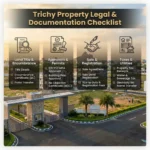
Investing in real estate is a significant financial decision, and choosing the right plot of land can determine long-term returns. Whether you are planning to build your dream home, invest for future resale, or develop a commercial property in Trichy, a careful evaluation of the plot is crucial. Real estate experts don’t just look at price—they assess multiple factors that influence value, usability, and growth potential.
In this guide, we break down how to evaluate a plot in Trichy like a professional, with a checklist covering soil quality, connectivity, approvals, future development plans, and resale potential.
Why Professional Evaluation Matters
Buying a plot without proper assessment can lead to future challenges such as:
- Poor soil causing foundation issues
- Legal disputes over ownership or approvals
- Limited infrastructure or connectivity
- Low resale value due to underdeveloped surroundings
A professional approach minimizes risk and ensures that your investment appreciates over time.
Key Factors to Consider When Evaluating a Plot in Trichy
1. Location and Connectivity
The location of a plot is often the most critical factor. Consider:
- Proximity to Key Areas: Schools, hospitals, workplaces, and shopping centers increase convenience and future demand.
- Access to Roads and Transport: Check if the plot is near main roads, highways, or public transport facilities.
- Future Infrastructure Projects: Upcoming flyovers, metro lines, or road expansions can enhance connectivity and property value.
Pro Tip: Visiting the site at different times of the day helps evaluate traffic, noise levels, and accessibility.
2. Soil Quality and Land Condition
Soil testing is essential for long-term construction safety:
- Soil Type: Clay, sandy, and rocky soils behave differently. Clay may expand and contract, while rocky soils are more stable but expensive to excavate.
- Water Table and Drainage: A high water table or poor drainage can lead to waterlogging, affecting construction and landscaping.
- Flood Risk: Check if the area is prone to flooding during monsoon seasons.
Professional geotechnical surveys or advice from local builders can help assess soil suitability.
3. Legal Approvals and Title Verification
Legal checks are critical to avoid disputes:
- Title Deed: Ensure the seller has a clear, undisputed title.
- Encumbrance Certificate: Confirms that the land is free from loans or legal liabilities.
- Zoning and Land Use Approvals: Verify if the land is approved for residential, commercial, or mixed-use development.
- Local Authority Approvals: Check permissions from the Trichy Municipal Corporation, Town Planning Department, and RERA (if applicable).
Tip: Engaging a qualified property lawyer or real estate consultant is highly recommended.
4. Size, Shape, and Topography
The physical characteristics of the plot influence construction options:
- Plot Size: Determine if the area meets your immediate and future requirements.
- Shape: Square or rectangular plots are more efficient for construction than irregularly shaped plots.
- Slope and Elevation: Flat plots reduce construction cost, while sloped plots may require extra leveling.
5. Utilities and Amenities
Availability of basic utilities affects livability and development cost:
- Electricity and Water Supply: Check whether municipal water, borewell options, or electricity connections are available.
- Sewage and Drainage: Proper drainage reduces maintenance problems and environmental issues.
- Internet and Communication: Connectivity options like broadband or fiber networks are increasingly important.
6. Neighborhood and Surroundings
The area around the plot plays a role in property value and lifestyle:
- Development Stage: Plots in upcoming areas may be cheaper but have future growth potential. Developed areas offer immediate conveniences.
- Safety and Security: Evaluate crime rates, street lighting, and community watch.
- Local Amenities: Parks, schools, hospitals, markets, and commercial hubs add long-term value.
7. Future Development Plans
Understanding government and private development plans helps predict appreciation:
- Urban Expansion: Check municipal plans for road widening, metro projects, and civic projects.
- Commercial Projects Nearby: Malls, IT parks, and educational institutions can boost resale value.
- Environmental Regulations: Ensure no restrictions hinder future construction or modifications.
8. Resale and Investment Potential
Even if you plan to build your dream home, evaluating resale potential is important:
- Market Trends: Analyze price trends in the area for the past few years.
- Demand-Supply Balance: Areas with high future demand tend to appreciate faster.
- Liquidity: Plots near highways, schools, or city centers sell faster than isolated plots.
9. Financial Considerations
Professional evaluation includes financial planning:
- Budget Alignment: Ensure the plot cost fits your financial plan, including registration and taxes.
- Taxes and Fees: Include stamp duty, registration fees, and legal costs.
- Loan Eligibility: Verify if the plot is eligible for bank financing or home loans.
Tips for Evaluating a Plot Professionally
- Visit the Site Multiple Times: Observe traffic, environment, and local lifestyle.
- Consult Experts: Property lawyers, civil engineers, and real estate agents can provide critical insights.
- Compare Similar Plots: Look at prices, infrastructure, and appreciation in nearby areas.
- Check for Red Flags: Avoid plots with unresolved legal issues, poor connectivity, or irregular shapes.
- Plan Long-Term Usage: Consider whether the plot meets future expansion, rental, or resale goals.
Common Mistakes to Avoid
- Skipping Legal Verification: Buying without checking title deeds or approvals can lead to disputes.
- Ignoring Soil and Drainage: Leads to structural issues and high construction costs.
- Overlooking Future Development Plans: May result in reduced property value or limited expansion opportunities.
- Focusing Only on Price: Low-cost plots may have hidden costs like poor utilities or difficult terrain.
Conclusion
Evaluating a plot in Trichy requires more than checking the price. A professional approach considers location, soil quality, approvals, connectivity, neighborhood, future development plans, and financial feasibility. By following a systematic checklist, you can reduce risk, ensure legal compliance, and make a sound investment that grows in value over time.
Whether you are building your dream home, investing for the future, or planning a commercial project, thorough evaluation is the key to success in the Trichy real estate market.
How do I check if a plot has legal clearance?
Verify the title deed, encumbrance certificate, zoning approvals, and permissions from local authorities. Consult a property lawyer for professional assessment.
Is soil testing necessary for every plot in Trichy?
What documents are essential before buying a plot?
How important is connectivity in plot evaluation?
Very important. Accessibility to roads, highways, schools, hospitals, and public transport affects convenience and resale value.